

Artificial turf, also called manufactured grass, has turned into a popular alternative to organic grass in various options, from residential lawns to activities fields. Built to mimic the appearance and experience of normal grass, it offers numerous advantages, rendering it a nice-looking choice for many.
What's Synthetic Turf?
Synthetic turf is manufactured out of manufactured fibers that resemble organic grass. The most common materials applied are polyethylene, polypropylene, and nylon. These fibers are tufted or woven in to a support substance, which will be then mounted on a platform layer, frequently consisting of smashed stone or sand. That framework offers a reliable basis and drainage program, ensuring that the turf remains practical and successfully appealing.
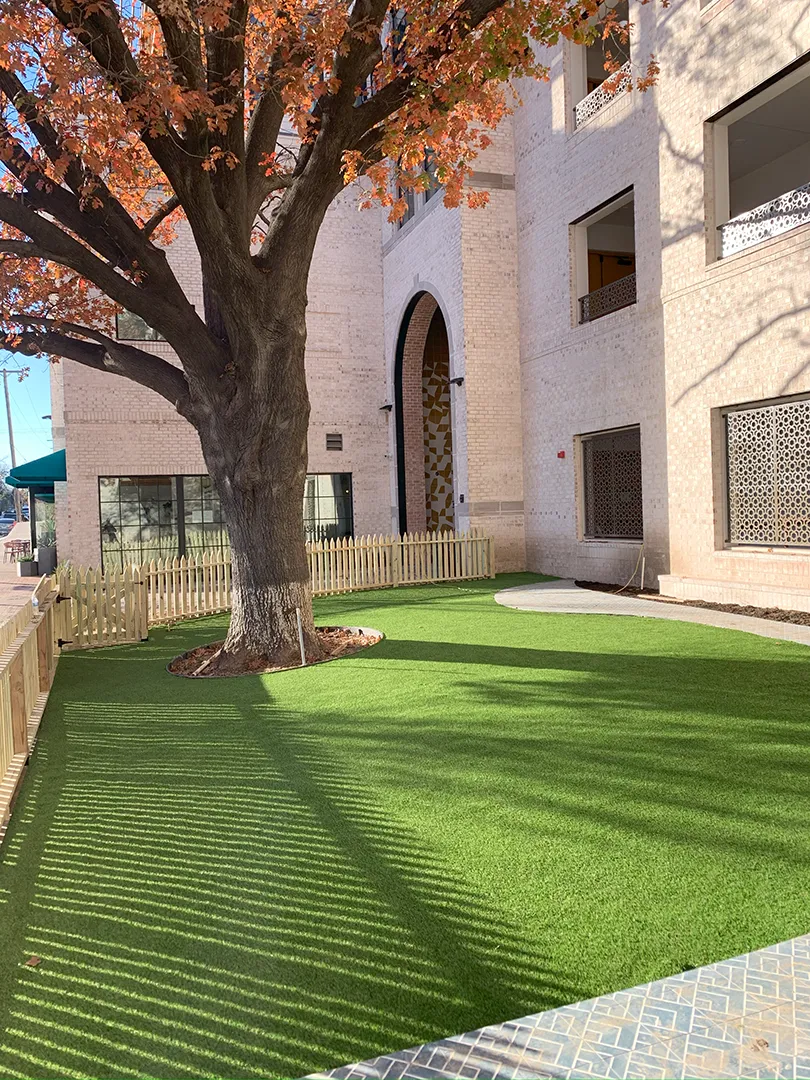
Advantages of Artificial Turf
Low Preservation: Among the primary advantages of artificial turf is its minimal preservation requirements. Unlike normal lawn, it does not need normal mowing, watering, or fertilizing. This could cause significant savings in water and gardening costs.
Longevity: Synthetic turf is designed to resist major use. It can experience high foot traffic, severe temperature situations, and even large gear without featuring signals of wear. That makes it an excellent selection for activities fields and playgrounds.
All-Weather Usability: Manufactured lawn remains natural and useful in various climate conditions. It does not turn brown throughout droughts or become muddy in the torrential rain, allowing for consistent use through the year.
Environmental Benefits: By reducing the need for pesticides and fertilizers, synthetic turf could be a more environmentally friendly option. Furthermore, it removes the necessity for watering, which is particularly beneficial in areas with water restrictions.
Factors
Despite its benefits, artificial turf does have some drawbacks. The initial installation cost may be larger compared to organic grass. However, this is often offset over time by the savings on maintenance and water bills. Additionally, artificial turf can be quite warm in direct sunlight, which can be uncomfortable for animals and children. Appropriate infill resources and chilling answers might help mitigate this issue.
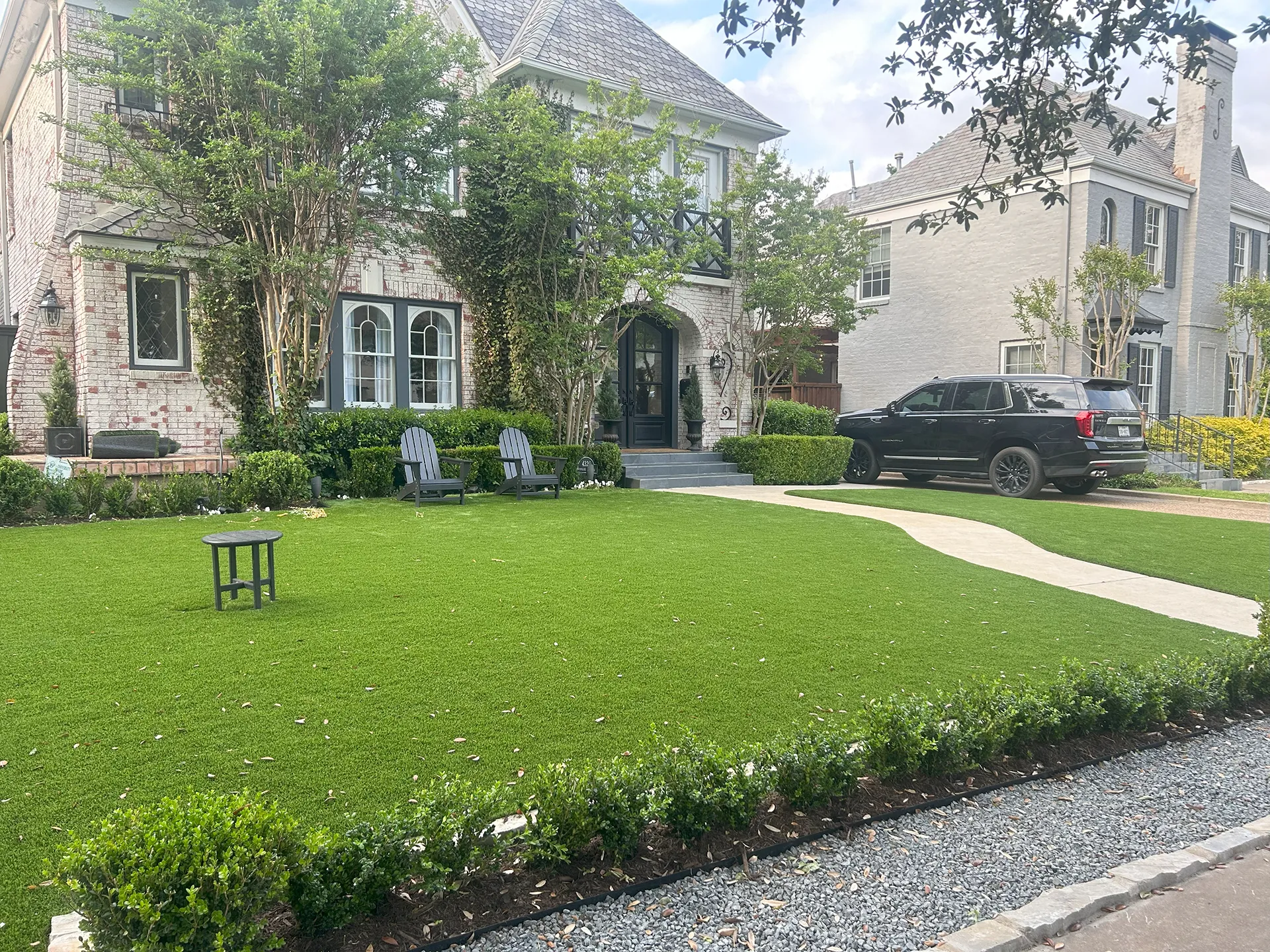
Installation and Treatment
Qualified installment is advised to make sure that the artificial turf is properly laid and that the main base is properly prepared. Normal cleaning and washing are required to keep their look and functionality. Eliminating dust and approaching leaks instantly can help in keeping the turf in good condition.
Conclusion
Synthetic turf provides a realistic and aesthetically pleasing alternative to normal grass. Having its reduced maintenance requirements, longevity, and consistent look, it could be a intelligent investment for equally residential and professional applications. However, evaluating their advantages against the initial charge and contemplating possible disadvantages is required for creating an educated decision.
Click here for more information kindly visit the site at magnoliaturf.com/ to get the knowledge about artificial turf.